As Election Votes Are Counted, the Future of Public Health Hangs in the Balance
The tension is visible everywhere.
Newsrooms are running nonstop coverage. Social media feeds are exploding with live updates. Political analysts are studying every vote count, every regional swing, and every unexpected lead.
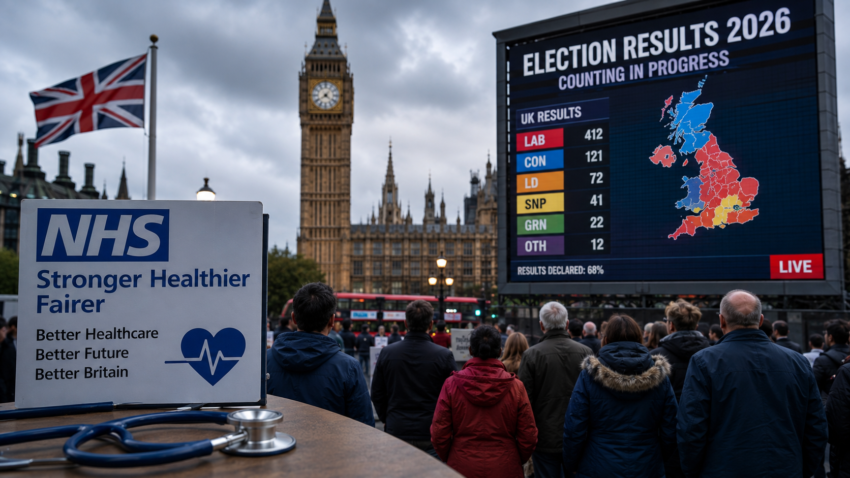
But beyond the political drama of the ongoing Election Results 2026, something much bigger is unfolding.
This election is not only about who forms the next government.
It is about:
- who gets access to healthcare,
- whether hospitals receive proper funding,
- how mental health crises are handled,
- and whether ordinary citizens can afford healthy lives in an increasingly expensive world.
As counting continues today, millions of people are realizing that elections directly affect public health, economic wellbeing, and the future of national healthcare systems.
And this time, voters are paying attention like never before.
Why Election Results 2026 Matter for Public Health
Public health is no longer a background issue discussed only during crises.
In 2026, healthcare has become one of the most powerful political battlegrounds.
Across cities, towns, and rural communities, voters are demanding answers about:
- rising healthcare costs,
- doctor and nurse shortages,
- hospital waiting times,
- mental health support,
- food affordability,
- and environmental health risks.
The ongoing election count reflects a major shift in voter priorities.
People are no longer voting only based on party loyalty.
They are voting based on survival, affordability, and quality of life.
How Political Leadership Directly Impacts Healthcare Systems
Every election result eventually affects healthcare systems in real ways.
Governments control:
- healthcare budgets,
- public health policies,
- emergency preparedness,
- staffing recruitment,
- medical research funding,
- and social welfare programs.
A change in political leadership can reshape an entire healthcare system within a few years.
Key Public Health Areas Influenced by Election Outcomes
1. Healthcare Access
One of the biggest concerns during the 2026 election counting process is healthcare accessibility.
Many voters are frustrated with:
- long waiting times,
- overloaded hospitals,
- rising insurance costs,
- and limited access to specialists.
Political parties promising healthcare reform are gaining strong support, especially among younger and middle-income voters.
Healthcare access is now seen as a basic social right rather than a luxury.
2. Hospital Funding and Workforce Shortages
Hospitals across many regions continue to struggle with:
- staff burnout,
- nurse shortages,
- paramedic shortages,
- and overcrowded emergency departments.
Healthcare workers have become one of the most politically active professional groups in this election cycle.
Doctors and nurses are increasingly speaking publicly about unsafe staffing levels and exhausted healthcare systems.
Without major public investment, experts warn that healthcare shortages could worsen significantly over the next decade.
This is why hospital funding has become a central election issue in 2026.
3. Mental Health Programs
Mental health has emerged as one of the defining social issues of this election.
Young voters especially are demanding:
- affordable therapy,
- better crisis support,
- school mental health programs,
- and stronger suicide prevention services.
The post-pandemic rise in anxiety, depression, burnout, and loneliness has transformed mental health into a major political issue.
Election results could determine whether mental health services finally receive long-term national investment or continue facing underfunding.
4. Vaccination Policies and Public Trust
Vaccination policies remain politically sensitive in many regions.
Several political campaigns have focused on:
- vaccine transparency,
- pandemic preparedness,
- healthcare freedom debates,
- and trust in scientific institutions.
Public health experts warn that political misinformation can weaken national healthcare preparedness and reduce trust in medical systems.
The 2026 election results may influence future public health emergency responses for years to come.
5. Food Security and Social Welfare
Food prices and cost-of-living pressures are heavily influencing voter behavior during the ongoing election count.
Many low-income families are struggling with:
- food affordability,
- housing costs,
- energy bills,
- and healthcare expenses.
Public health researchers have repeatedly shown that poverty and poor nutrition increase risks of:
- obesity,
- diabetes,
- heart disease,
- mental illness,
- and chronic health conditions.
This is why social welfare policies are increasingly being discussed as public health policies.
Election Counting Trends Reveal a Divided Healthcare Reality
As results continue to arrive, regional voting patterns are exposing deep inequalities in healthcare access and living conditions.
Urban Areas
Major cities are showing stronger support for:
- healthcare expansion,
- climate-health policies,
- mental health investment,
- and social welfare protections.
Urban voters are heavily influenced by:
- overcrowded hospitals,
- high housing costs,
- and healthcare affordability concerns.
Rural and Economically Stressed Regions
In rural areas and economically struggling regions, voters are prioritizing:
- economic recovery,
- job security,
- healthcare staffing,
- and affordable essential services.
Many rural communities continue to face:
- limited hospital access,
- shortages of healthcare professionals,
- and delayed emergency response times.
The election is revealing how geography often determines healthcare quality.
Young Voters Are Changing Political Conversations
One of the most important developments in Election Results 2026 is the growing influence of younger voters.
Unlike previous generations, younger citizens are connecting:
- climate change,
- public health,
- mental wellbeing,
- healthcare affordability,
- and economic inequality
into one larger conversation about national wellbeing.
For Gen Z and younger millennials, healthcare is not only about hospitals.
It also includes:
- environmental safety,
- work-life balance,
- emotional wellbeing,
- reproductive healthcare,
- digital healthcare access,
- and affordable living.
This shift is forcing political parties to rethink traditional campaign strategies.
Climate Change and Public Health Are Now Politically Connected
Environmental health has become one of the most underestimated issues in the 2026 election.
Extreme weather events, air pollution, flooding, and heatwaves are increasing healthcare pressures globally.
Public health experts warn that climate-related illnesses are becoming more common, including:
- respiratory diseases,
- cardiovascular problems,
- heat exhaustion,
- and infectious disease spread.
As a result, voters are beginning to treat climate policy as healthcare policy.
This represents a major transformation in public thinking.
The Human Stories Behind the Election Numbers
Behind every election statistic is a personal story.
A nurse working a 14-hour shift while watching election results on her phone.
A father unable to secure mental health support for his teenage son.
An elderly patient waiting months for specialist treatment.
A young graduate skipping therapy sessions because of rising living costs.
These are not political talking points.
They are everyday realities shaping voter decisions across the country.
And they explain why healthcare has become such an emotional issue during the 2026 election cycle.
What Happens Next After the Election Results?
As final votes continue to be counted, several public health scenarios are emerging.
Scenario 1: Increased Healthcare Investment
If incoming leaders prioritize public health:
- hospitals could receive emergency funding,
- staffing shortages may improve,
- and mental health services could expand significantly.
Scenario 2: Economic Pressure and Spending Cuts
If governments focus heavily on reducing spending:
- healthcare waiting times may worsen,
- workforce shortages could deepen,
- and vulnerable populations may face greater risks.
Scenario 3: Political Gridlock
If coalition disagreements or divided governments slow reforms:
- healthcare modernization may stall,
- public trust could weaken further,
- and healthcare systems may continue operating under crisis conditions.
Democracy, Public Trust, and the Future of Healthcare
The ongoing Election Results 2026 are proving one important truth:
Public health and politics are deeply connected.
Every vote counted today will eventually influence:
- hospitals,
- pharmacies,
- schools,
- emergency services,
- social care systems,
- and family wellbeing.
Citizens are no longer voting only for political parties.
They are voting for:
- healthier lives,
- safer communities,
- affordable healthcare,
- and stronger futures.
As democracy unfolds in real time, the future of national wellbeing is being shaped one ballot at a time.
And when historians look back at Election Results 2026, they may remember it as the moment public health became one of the most powerful political forces of the modern era.