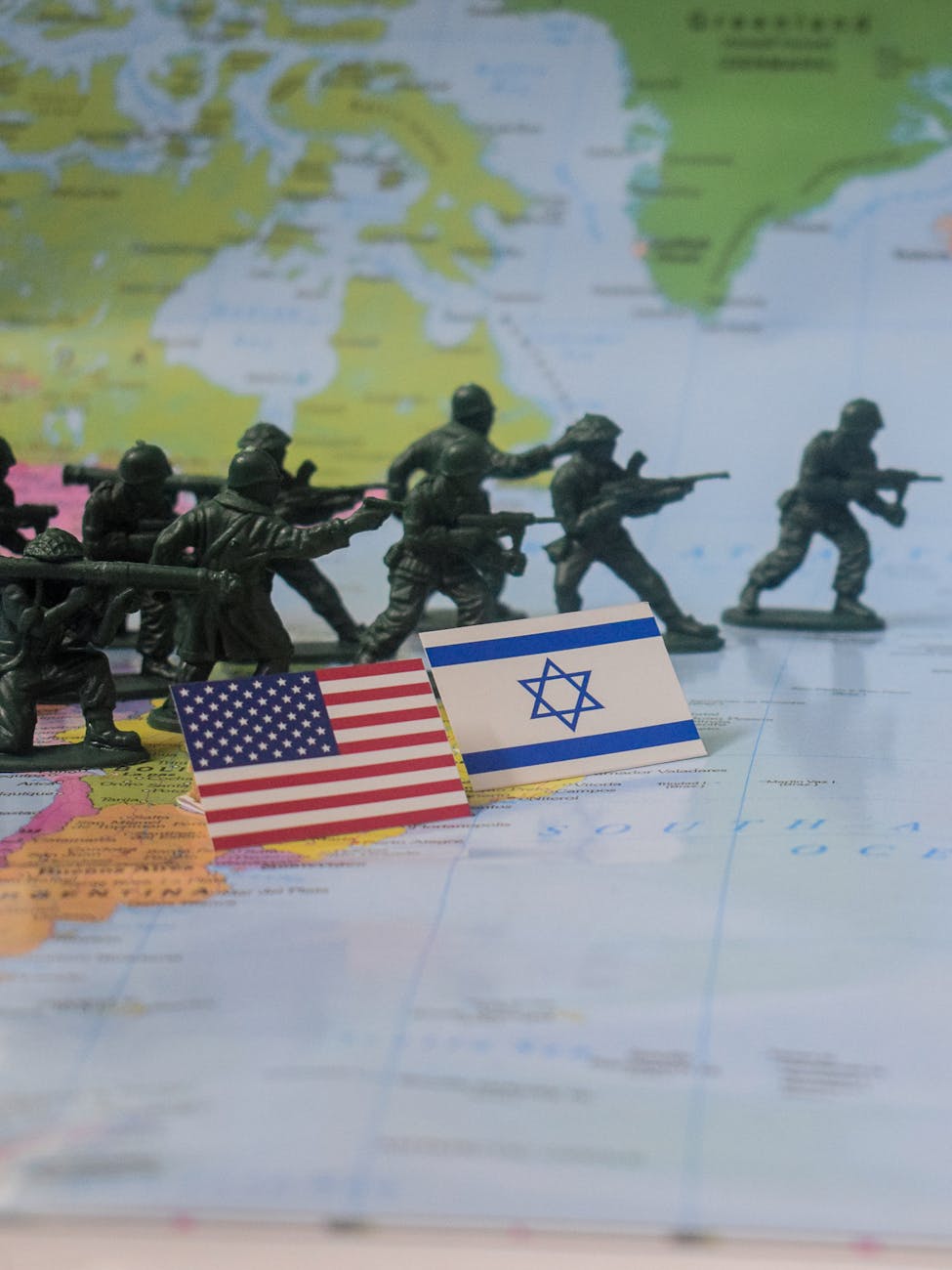
When the world watches missiles and headlines, few realize the hidden health emergency brewing alongside geopolitics. A US–Iran conflict isn’t just a political showdown—it could trigger a global public health crisis affecting millions, both in the Middle East and worldwide.
1. Mass Casualties: Hospitals on the Brink
Modern warfare inflicts devastating injuries on civilians and soldiers alike. Bombings, missile strikes, and urban attacks can cause:
- Severe burns and fractures
- Head trauma and internal injuries
- Life-threatening emergencies requiring urgent care
💡 Trending insight: Hospitals in Iran could be overwhelmed within days, leaving thousands without timely medical care.
2. Hospitals Under Siege
War doesn’t just injure—it destroys medical infrastructure. Bombed or damaged hospitals mean:
- Surgeries postponed or canceled
- Limited emergency services
- Medical staff at risk, reducing care availability
Even outside the war zone, these disruptions increase preventable deaths, from heart attacks to chronic illness complications.
3. Medicine Shortages & Global Supply Chain Shock
Sanctions + conflict = critical medicine shortages. Key risks include:
- Cancer treatments disappearing from shelves
- Dialysis and chronic disease medications running out
- Vaccine disruptions for children
💥 Trending fact: Global pharmaceutical supply chains could feel ripple effects, raising drug prices worldwide.
4. Mental Health Fallout
War is as much psychological as physical. Experts warn of a silent mental health epidemic:
- PTSD, anxiety, and depression skyrocketing
- Children facing lifelong trauma
- Social media amplifying fear and panic
📊 Trending insight: Up to 50% of civilians in conflict zones may develop long-term mental health issues.
5. Infectious Diseases on the Rise
Conflict disrupts water, sanitation, and healthcare access—fueling:
- Cholera, Hepatitis, TB outbreaks
- Halted vaccination campaigns
- Disease spread in refugee camps
💡 Key takeaway: Even countries far from Iran could see regional infectious disease spikes.
6. Refugee Crisis: Health in Peril
Wars displace hundreds of thousands, creating public health emergencies:
- Malnutrition and poor hygiene
- Limited access to medical care
- Overcrowded shelters spreading disease
Global health agencies may be stretched beyond capacity.
7. Vulnerable Populations at Highest Risk
Children, pregnant women, the elderly, and people with chronic illnesses are most at risk. Even distant nations face:
- Rising healthcare costs
- Disrupted medical supply chains
- Secondary mental health crises
8. Why Global Health Professionals Should Care
A US–Iran conflict is more than headlines—it’s a wake-up call for global health. The physical, mental, and social health impacts could last decades, making peace a public health priority.
Share this:
- Share on Facebook (Opens in new window) Facebook
- Share on X (Opens in new window) X
- Email a link to a friend (Opens in new window) Email
- Share on LinkedIn (Opens in new window) LinkedIn
- Share on Pinterest (Opens in new window) Pinterest
- Share on Telegram (Opens in new window) Telegram
- Share on WhatsApp (Opens in new window) WhatsApp